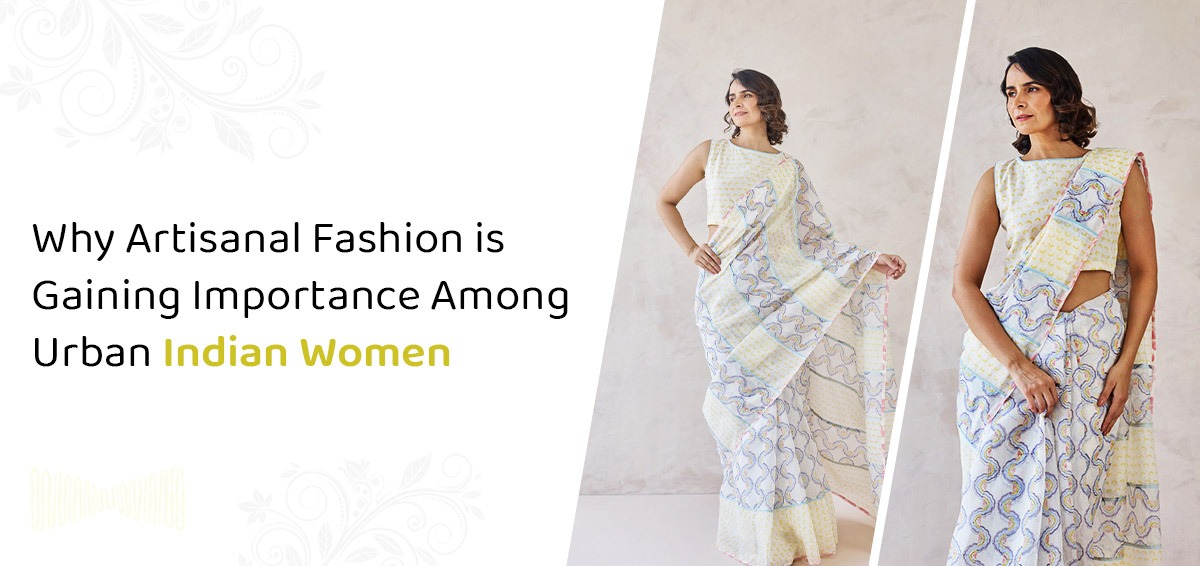
Why Artisanal Fashion Is Gaining Importance Among Urban Indian Women
Urban Indian women today are redefining fashion choices. They are no longer driven only by trends but by purpose, comfort, and cultural value. This shift has led to the growing popularity of Artisanal Fashion, especially among women aged 25–50 who seek breathable fabrics, meaningful craftsmanship, and versatile silhouettes. In cities across India—from Jaipur and Delhi to Mumbai and Bengaluru—women are consciously choosing garments that reflect individuality while supporting traditional craftsmanship. But what exactly is driving this movement? Let’s explore.
What Is Artisanal Fashion?
Artisanal Fashion refers to clothing crafted using traditional techniques such as hand block printing, handloom weaving, and small-batch production methods. Unlike mass-produced fast fashion, artisanal clothing celebrates heritage textiles, handcrafted details, and ethical production practices.
For Indian consumers, this style of dressing represents:
- Cultural pride
- Conscious consumerism
- Comfort-focused design
- Long-lasting quality
Urban women increasingly value clothing that tells a story—about the craft, the region, and the people behind it.
The Rise of Conscious Consumerism in India
Over the last decade, Indian shoppers have become more aware of environmental and social impacts of fashion. Urban women, especially professionals and creatives, are choosing garments that align with their values.
Why Conscious Choices Matter
- Sustainable fabrics reduce environmental harm
- Handcrafted techniques support artisan communities
- Small-batch production ensures better quality control
- Natural fibers are healthier for the skin
Artisanal Fashion supports these principles while offering timeless designs suited to modern lifestyles.
Comfort-First Dressing for Urban Lifestyles
Indian cities demand versatile clothing. Women balance work, travel, social gatherings, and family events—all within a single day. Comfort is no longer optional. Breathable cottons, handloom Chanderi, and soft silhouettes make handcrafted garments ideal for long wear. This is why pieces like Women Cotton Co Ord Sets are gaining popularity. Coordinated sets provide:
- Effortless styling
- Professional yet relaxed appeal
- All-day comfort
- Minimal accessorizing effort
Urban professionals prefer ready-to-wear ensembles that look polished without feeling restrictive.
The Revival of Heritage Textiles
India’s textile heritage is vast, and urban women are increasingly reconnecting with it. Fabrics such as Chanderi are no longer reserved only for traditional occasions.
Why Chanderi Is Making a Comeback
Lightweight yet elegant, Chanderi Silk Dresses blend heritage weaving techniques with contemporary silhouettes. Women prefer them for:
- Festive gatherings
- Formal office events
- Cultural celebrations
- Elegant daywear
These dresses offer a subtle sheen without the heaviness of traditional occasion wear. This balance between heritage and modern styling is a defining feature of Artisanal Fashion in India.
Layering as a Modern Styling Statement
Layering has deep roots in Indian dressing traditions. Today, it has evolved into structured yet breathable silhouettes that suit urban wardrobes.
Stylish Shrugs for Women: Functional Elegance
Handcrafted layering pieces such as Stylish Shrugs for Women are becoming wardrobe essentials. Urban women choose them because they:
- Instantly elevate simple outfits
- Provide transitional layering for changing weather
- Add structure without compromising comfort
- Work across workwear and casual settings
Shrugs reflect how artisanal elements can seamlessly integrate into everyday styling.
Occasion Wear Without Excess
Indian festive dressing is often associated with heavy fabrics and elaborate embroidery. However, modern urban women are seeking lighter alternatives.
The Practical Appeal of Dress With Jacket Set
A thoughtfully designed Dress With Jacket Set offers:
- Structured layering
- Elegant festive appeal
- Breathable comfort
- Reusability for multiple occasions
These sets allow women to attend celebrations without feeling weighed down. The focus is shifting from extravagance to refined elegance.
Why Urban Women Trust Artisanal Craftsmanship
Urban buyers are more informed than ever. They research fabric origins, production processes, and brand values before making a purchase. Trust plays a major role.
Key Factors Influencing Purchase Decisions
- Transparency about craftsmanship
- Use of hand block printing and handloom techniques
- Quality over quantity
- Versatility across occasions
Artisanal Fashion appeals because it aligns with these expectations. It offers garments that are not trend-driven but timeless.
Supporting Local Craft Communities
Another major reason behind the growth of Artisanal Fashion is the desire to support Indian artisans. Women today understand that every handcrafted garment sustains a traditional skill. By choosing handcrafted clothing, urban consumers:
- Preserve Indian textile heritage
- Support small-scale artisans
- Promote ethical fashion ecosystems
- Encourage sustainable production cycles
This emotional connection strengthens brand loyalty.
Versatility: The Core of Modern Indian Dressing
Urban wardrobes must be flexible. A single garment should transition from work to evening gatherings with minimal styling changes.
Artisanal silhouettes are designed with this versatility in mind:
- Cotton dresses suitable for office and travel
- Coordinated sets ideal for meetings and brunches
- Light festive dresses for cultural events
- Layered jackets adaptable across seasons
This adaptability makes Artisanal Fashion practical for everyday use.
The Emotional Value of Handmade Clothing
Beyond aesthetics and sustainability, there is emotional value in wearing something handmade. It feels personal, intentional, and meaningful.
Urban Indian women increasingly view fashion as:
- A form of self-expression
- A reflection of cultural identity
- A conscious lifestyle choice
- An investment in quality
This emotional shift explains why Artisanal Fashion is no longer niche—it is becoming mainstream.
How to Incorporate Artisanal Fashion Into Your Wardrobe
If you are building a craft-conscious wardrobe, start with:
- Breathable cotton dresses for daily wear
- Coordinated sets for effortless styling
- Lightweight festive dresses in handloom fabrics
- Layering pieces like structured shrugs or jackets
Choose versatile pieces that align with your lifestyle and climate. Focus on comfort, durability, and timeless appeal rather than seasonal trends.
The Future of Artisanal Fashion in Urban India
The growth of Artisanal Fashion in India is not a temporary trend. It reflects deeper changes in consumer behavior:
- Preference for mindful purchases
- Demand for breathable fabrics
- Appreciation for Indian craftsmanship
- Shift toward long-lasting wardrobes
As more women seek comfort-first yet elegant clothing, artisanal garments will continue to gain importance in urban wardrobes.
Final Thoughts
Urban Indian women are redefining what fashion means. It is no longer about fast-changing trends but about authenticity, craftsmanship, and conscious choices. Artisanal Fashion stands at the intersection of heritage and modernity—offering breathable fabrics, versatile silhouettes, and meaningful craftsmanship. For women who value comfort, elegance, and ethical fashion, this movement is more than a style preference—it is a lifestyle decision. By embracing handcrafted textiles and thoughtfully designed silhouettes, urban women are not just upgrading their wardrobes—they are supporting India’s rich textile legacy while shaping a more sustainable future.
-
 August 26th, 2026
 -
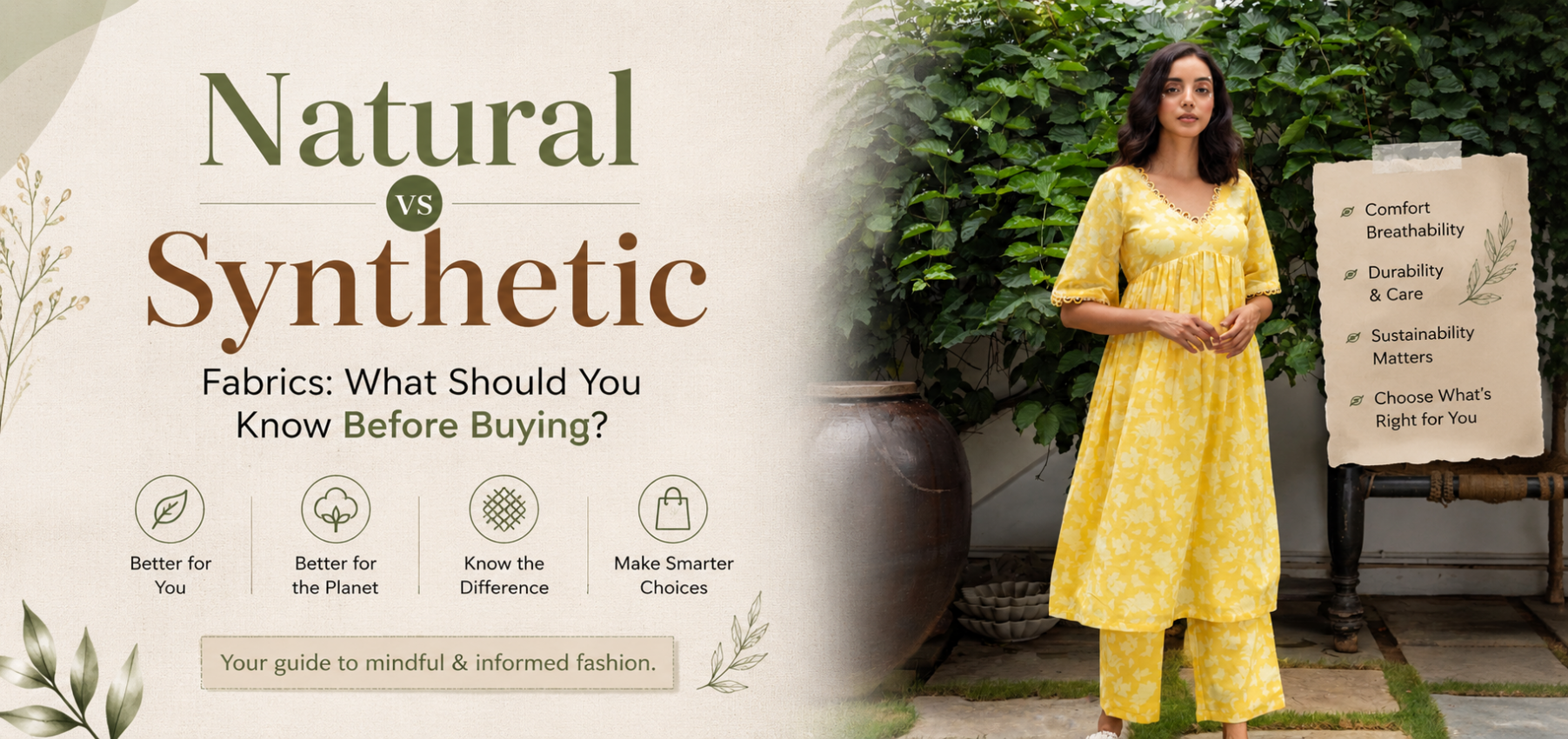
Natural vs Synthetic Fabrics: What Should You Know Before Buying?
August 24th, 2026 -
 August 24th, 2026
 -
 August 13th, 2026