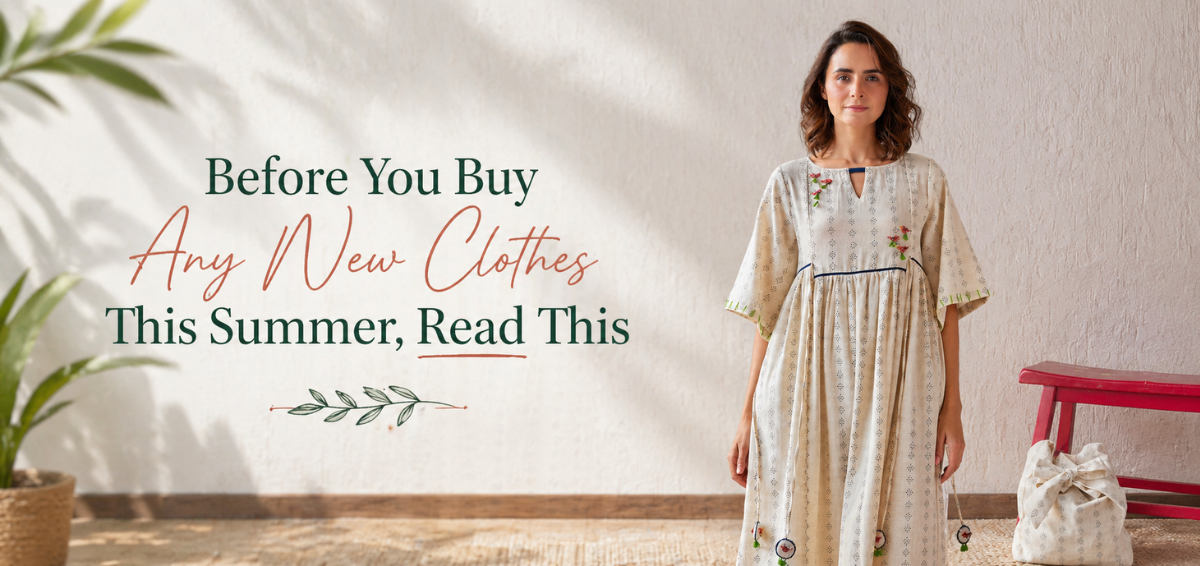
Before You Buy Any New Clothes This Summer, Read This
Summer in India is not just a season—it’s a test of comfort, fabric choices, and smart wardrobe planning. With rising temperatures, humidity, and long working hours, the clothes you choose can directly affect your comfort, productivity, and confidence. Many people rush into buying trendy outfits without understanding whether those clothes are actually suitable for Indian summers.
If you’ve ever bought something that looked beautiful but felt uncomfortable in the heat, you’re not alone. This guide is designed to help you make thoughtful, practical, and stylish choices before investing in seasonal clothing. From understanding fabrics to selecting versatile silhouettes, this article will help you choose the Best Clothes for Summer Season without compromising comfort or style.
Why Choosing the Right Summer Clothing Matters in India
Indian summers can be intense, especially across urban and semi-urban regions where heat retention in buildings and outdoor pollution increase discomfort levels. Choosing appropriate clothing is not just about appearance—it directly impacts health, skin comfort, and daily productivity.
Breathable fabrics reduce sweating, prevent skin irritation, and allow proper airflow. Lightweight silhouettes help regulate body temperature, while thoughtful layering can protect against sun exposure without overheating. Investing in well-made summer wear also means fewer wardrobe replacements and better long-term value.
Many consumers overlook the importance of season-specific clothing and instead focus on trends. However, understanding climate-friendly dressing is the first step toward building a smart summer wardrobe.
What to Check Before Buying Summer Clothes
Fabric Should Always Be Your First Priority
Fabric plays the most crucial role in determining whether a garment will keep you comfortable during summer. Cotton, mulmul, and handloom fabrics are considered ideal because of their breathable nature. These fabrics absorb moisture effectively and allow airflow, reducing discomfort during long days.
Natural fabrics also help prevent skin irritation, making them suitable for sensitive skin types. Synthetic materials, on the other hand, often trap heat and increase sweating, making them less suitable for Indian weather conditions.
Lightweight textiles also maintain garment structure without feeling heavy. This makes them suitable for office wear, casual outings, and travel.
Fit and Silhouette Make a Big Difference
Loose-fitting silhouettes allow better air circulation and reduce heat retention. Structured yet relaxed styles help maintain elegance without compromising comfort. Avoid overly tight garments, as they restrict movement and increase sweating.
Flowy dresses, relaxed tunics, and airy sets are especially practical during hot weather. They provide flexibility and comfort while maintaining a polished appearance.
Color Selection Impacts Comfort
Light colors reflect sunlight, helping reduce heat absorption. Shades like white, pastel blue, soft pink, mint green, and beige are particularly effective during summer months. Dark colors absorb heat, making them less comfortable for outdoor wear.
Choosing lighter shades not only enhances comfort but also gives a refreshing visual appeal that complements the summer mood.
Understanding Summer Fabric Types That Actually Work
Cotton – The Ultimate Summer Essential
Cotton remains one of the most reliable fabrics for hot climates. Its breathable structure allows moisture to evaporate quickly, keeping the skin cool and dry. Cotton garments are also easy to maintain and suitable for daily wear.
Handcrafted cotton fabrics, particularly those made using traditional techniques, offer durability along with comfort. These textiles are widely preferred for everyday wear because of their practicality and timeless style.
Handloom Fabrics for Breathable Comfort
Handloom fabrics are known for their airy texture and natural finish. Their weaving structure allows better ventilation, making them suitable for long hours of wear. These fabrics also support traditional craftsmanship and sustainable fashion practices.
Choosing handloom textiles contributes to ethical fashion while ensuring maximum comfort during extreme temperatures.
Chanderi Fabric for Elegant Summer Dressing
Chanderi fabric offers a perfect blend of lightweight texture and subtle sheen. It provides a refined look without adding heaviness, making it suitable for semi-formal and festive summer occasions.
For those seeking graceful yet comfortable outfits, Chanderi Tops are often considered a smart choice due to their breathable nature and elegant appearance.
How to Build a Practical Summer Wardrobe
Focus on Versatile Everyday Pieces
A functional summer wardrobe should include clothing that can be worn across multiple occasions. Versatile pieces help reduce clutter while offering more styling flexibility.
For example, a well-designed block print dress can be worn to work, casual outings, or social gatherings. Traditional prints combined with breathable fabrics create outfits that are both stylish and practical.
Versatility reduces the need for frequent shopping and ensures that every item in your wardrobe gets proper use.
Choose Coordinated Outfits for Convenience
Matching sets save time and eliminate the stress of pairing separate garments. Coordinated outfits provide a polished look with minimal effort, making them ideal for busy routines.
Comfort-focused combinations such as Women Cotton Co Ord Sets are widely preferred for their simplicity and adaptability. These sets allow effortless styling while maintaining comfort throughout the day.
Invest in Multi-Use Clothing
Multi-purpose outfits are especially valuable during summer. A single garment that can transition from office to evening wear reduces wardrobe dependency and increases practicality.
Outfits designed for flexibility help you maintain style consistency without purchasing excessive clothing.
Layering Smartly Without Feeling Overheated
Lightweight Layers Provide Functional Style
Layering during summer may seem counterintuitive, but when done correctly, it enhances both comfort and appearance. Lightweight layers protect against sun exposure and sudden temperature changes caused by air-conditioned environments.
For instance, using a short shrug for ladies adds visual depth to an outfit while maintaining breathability. Such layering pieces also help transform simple outfits into refined looks.
Structured Sets for Occasion Wear
Festive and social gatherings during summer require clothing that looks elegant without feeling heavy. Structured yet breathable outfits serve this purpose effectively.
Occasion-friendly styles like 3 Piece Jacket Dresses provide sophistication while ensuring comfort. These layered outfits offer a balanced blend of style and practicality.
How to Choose Office-Friendly Summer Outfits
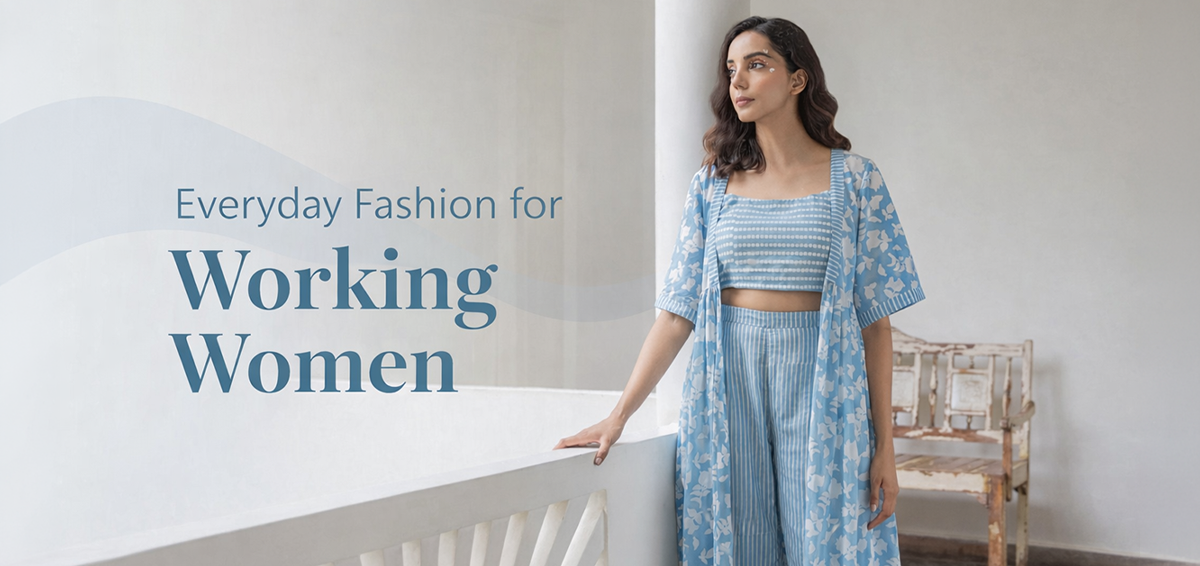
Workwear during summer should prioritize comfort without compromising professionalism. Many professionals struggle to maintain a polished appearance while dealing with heat and humidity.
Choosing coordinated clothing like Tunic Sets for women simplifies morning routines and ensures consistent styling. These outfits provide a structured look suitable for meetings, office settings, and business environments.
Office clothing should also allow easy movement and prolonged wear without discomfort. Breathable fabrics and minimal embellishments make outfits suitable for long working hours.
Common Mistakes People Make While Buying Summer Clothes
Buying Based Only on Trends
Fashion trends often influence purchasing decisions, but not all trends are suitable for hot weather. Many trendy garments use synthetic fabrics that trap heat and cause discomfort.
Instead of focusing solely on trends, consider climate suitability, comfort level, and garment practicality.
Ignoring Fabric Quality
Low-quality fabrics deteriorate quickly when exposed to frequent washing and sunlight. Investing in durable materials ensures long-term usability and reduces replacement costs.
High-quality textiles maintain structure and comfort even after multiple uses.
Choosing Tight Fits for Style
Tight-fitting garments may look appealing but often restrict airflow and increase body temperature. Relaxed silhouettes are better suited for summer conditions.
Comfort-focused clothing supports better movement and enhances overall well-being.
How to Shop Smarter Instead of Buying More
Create a Seasonal Checklist
Before purchasing new clothes, evaluate your current wardrobe. Identify items that are still functional and those that need replacement. This prevents unnecessary spending and promotes mindful consumption.
A structured checklist also helps you avoid impulse purchases and focus on essential items.
Prioritize Timeless Designs
Timeless clothing remains relevant across seasons and years. Neutral prints and classic silhouettes offer longevity and styling flexibility.
Avoid overly decorative garments that may lose relevance quickly.
Consider Sustainability While Shopping
Sustainable fashion focuses on durability, responsible sourcing, and reduced environmental impact. Choosing handcrafted garments supports traditional artisans and encourages ethical practices.
Sustainability also ensures that clothing maintains its value over time.
How to Care for Summer Clothes to Extend Their Life
Wash with Mild Detergents
Gentle washing techniques protect fabric fibers and maintain garment structure. Harsh detergents can weaken textiles and cause fading.
Using mild detergents helps preserve color and softness.
Dry Clothes in Shade
Direct sunlight may cause fading and weaken fabric threads. Drying garments in shaded areas maintains color integrity and prolongs garment lifespan.
Proper drying techniques also prevent shrinkage and distortion.
Store Clothes Properly
Seasonal storage should include breathable covers that prevent dust accumulation while allowing airflow. Proper storage reduces fabric damage and maintains garment freshness.
Organized wardrobes make it easier to identify usable clothing and avoid duplicate purchases.
How to Identify the Best Clothes for Summer Season Without Guesswork
Selecting the Best Clothes for Summer Season involves evaluating multiple factors, including fabric composition, comfort level, versatility, and durability. Instead of relying on appearance alone, analyze whether the garment suits daily needs and climate conditions.
Look for garments that combine lightweight construction with breathable fabrics. Choose designs that allow movement and maintain comfort during long hours of wear. Pay attention to stitching quality and finishing, as these details determine garment longevity.
A well-planned wardrobe reduces stress, saves time, and improves daily productivity. Thoughtful clothing choices also contribute to overall confidence and personal style.
Final Thoughts: Make Thoughtful Choices Before Your Next Purchase
Summer clothing is not just about staying stylish—it’s about staying comfortable, confident, and prepared for rising temperatures. Every purchase should serve a purpose, whether it’s enhancing daily comfort or supporting long-term wardrobe functionality.
By focusing on breathable fabrics, practical silhouettes, and versatile designs, you can build a wardrobe that meets both functional and aesthetic needs. Smart buying decisions reduce waste, save money, and create a collection of clothing that truly supports your lifestyle.
Before making your next purchase, evaluate fabric quality, fit, and usability. Thoughtful decisions today lead to better comfort tomorrow—and ensure your wardrobe remains both stylish and practical throughout the season.
Frequently Asked Questions (FAQs)
1. What fabrics are most suitable for Indian summers?
Cotton, mulmul, linen, and lightweight handloom fabrics are considered ideal for Indian summers because they allow airflow and absorb moisture effectively.
2. How many summer outfits should I ideally have?
The number depends on your lifestyle, but a practical summer wardrobe should include versatile pieces that can be worn across multiple occasions rather than a large number of single-use garments.
3. Why are light-colored clothes recommended during summer?
Light-colored clothing reflects sunlight, helping reduce heat absorption and keeping the body cooler compared to dark-colored garments.
4. Are layered outfits suitable for summer weather?
Yes, lightweight layering pieces made from breathable fabrics can protect against sun exposure and indoor temperature changes without causing overheating.
5. How can I maintain the quality of summer clothes for longer use?
Use mild detergents, avoid harsh sunlight while drying, and store clothes in breathable covers to maintain fabric strength and appearance.
-
 August 26th, 2026
 -
Natural vs Synthetic Fabrics: What Should You Know Before Buying?
August 24th, 2026 -
 August 24th, 2026
 -
 August 13th, 2026