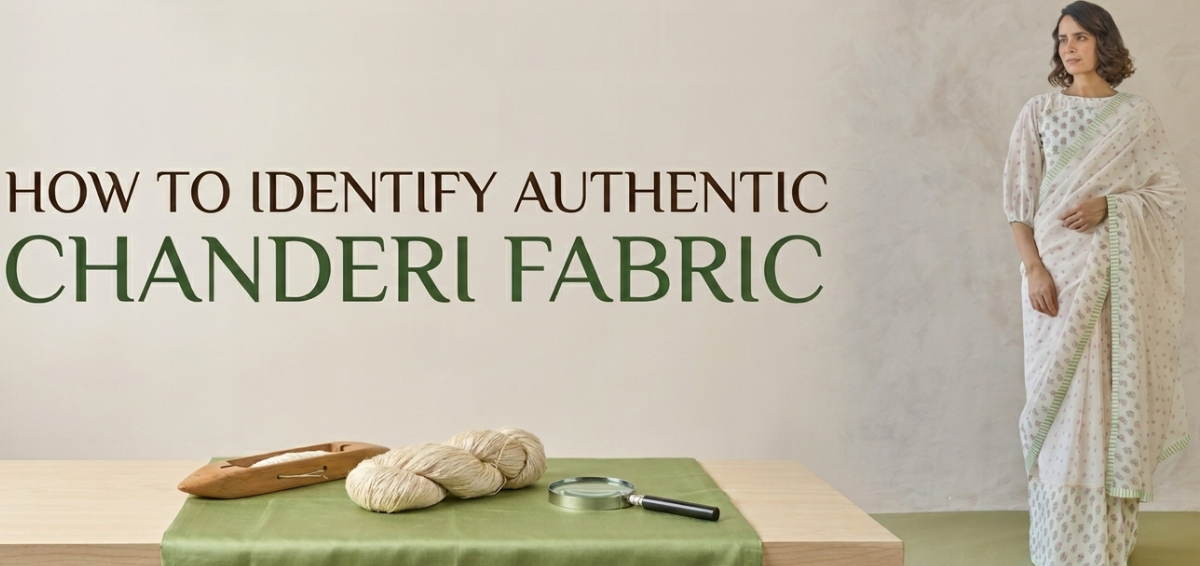
How to Identify Authentic Chanderi Fabric: A Complete Guide for Smart Buyers
Chanderi fabric holds a special place in India’s textile heritage. Known for its lightweight texture, glossy transparency, and delicate motifs, it represents centuries of craftsmanship rooted in tradition. Today, as demand for elegant yet breathable fabrics grows, Chanderi has become a popular choice for sarees, tops, dresses, and festive wear. However, with increasing popularity, the market has also seen a rise in imitation fabrics that resemble Chanderi but lack its true quality.
This makes it essential for modern buyers to Identify Authentic Chanderi Fabric before making a purchase. Whether you are shopping for festive attire, everyday ethnic wear, or heirloom pieces, understanding how to recognize genuine Chanderi helps you make informed decisions. This guide provides detailed, practical knowledge on identifying authentic Chanderi using texture tests, weaving details, fabric composition, and traditional markers.
If you love handcrafted Indian textiles, this comprehensive guide will help you appreciate the artistry behind Chanderi while ensuring you invest in authentic quality.
Understanding the Heritage of Chanderi Fabric
Before learning how to verify authenticity, it is important to understand what makes Chanderi unique. Chanderi originates from the historic town of Chanderi in Madhya Pradesh, India. The region has been known for its fine weaving tradition for centuries, with references dating back to ancient trade routes.
Traditional Chanderi weaving involves a delicate combination of silk and cotton yarns, resulting in a fabric that is both breathable and elegant. Over time, artisans introduced intricate motifs inspired by nature, architecture, and cultural symbolism.
Today, Chanderi fabric is widely used to create garments such as the Printed Chanderi Saree, festive ensembles, dupattas, and fusion wear. Its versatility makes it suitable for both traditional and contemporary fashion.
Why It Is Important to Identify Authentic Chanderi Fabric
The increasing popularity of Chanderi has led to a rise in machine-made replicas that mimic its appearance. While these alternatives may look similar at first glance, they differ significantly in quality, comfort, and longevity.
Key Reasons to Choose Authentic Chanderi
- Superior comfort: Genuine Chanderi is lightweight and breathable.
- Durability: Handwoven fabrics last longer than synthetic alternatives.
- Craft preservation: Supporting authentic textiles helps sustain traditional artisans.
- Elegant drape: Real Chanderi falls naturally and gracefully.
Understanding how to Identify Authentic Chanderi Fabric ensures that your purchase reflects both quality craftsmanship and true value.
Types of Authentic Chanderi Fabric
Authentic Chanderi is available in different compositions depending on weaving techniques and intended use.
1. Pure Silk Chanderi
This type contains silk yarns in both warp and weft, giving the fabric a luxurious sheen. It is commonly used for festive and ceremonial attire.
2. Silk Cotton Chanderi
The most popular variety, combining silk warp with cotton weft. It offers a balanced blend of elegance and comfort.
3. Pure Cotton Chanderi
This variety focuses on comfort and breathability, making it suitable for daily wear garments such as Chanderi Tops and lightweight ethnic clothing.
Visual Characteristics That Help Identify Authentic Chanderi Fabric
One of the easiest ways to begin authentication is through visual inspection.
Sheer and Lightweight Appearance
Authentic Chanderi has a slightly transparent look. When held against light, the fabric appears airy and luminous rather than opaque.
Subtle Glossy Finish
The fabric has a gentle sheen due to silk content. Unlike synthetic shine, this glow is soft and refined.
Traditional Motifs
Common motifs include:
- Peacocks
- Floral vines
- Geometric patterns
- Temple borders
These designs are often visible in garments like a chanderi handloom saree, where detailed artistry showcases the weaver’s skill.
Texture Test: Feel the Fabric Carefully
The tactile experience is one of the most reliable ways to evaluate authenticity.
Smooth Yet Crisp Texture
Authentic Chanderi feels smooth with a slight crispness. It should not feel excessively slippery or rough.
Lightweight Comfort
Even layered garments feel breathable and comfortable, making Chanderi suitable for India’s warm climate.
This characteristic is particularly noticeable in garments such as a block print dress, where the fabric remains airy even with layered prints.
Burn Test Method (Use With Caution)
While not always recommended at home, a burn test can help identify fiber composition.
- Silk fibers: Smell like burning hair.
- Cotton fibers: Smell like burning paper.
- Synthetic fibers: Melt and produce plastic-like odor.
This method is generally performed by professionals rather than everyday buyers.
Check for Handwoven Irregularities
Authentic Chanderi is handwoven, which means slight irregularities are natural and expected.
Look for Minor Variations
You may notice:
- Slight differences in motif placement
- Minor variations in thread thickness
- Subtle unevenness in weave
These are signs of craftsmanship, not defects.
Understanding the Role of Zari in Chanderi
Zari work is commonly used in borders and motifs.
Authentic Zari Characteristics
- Soft metallic shine
- Fine detailing
- Long-lasting finish
Machine-made zari often appears overly shiny and stiff.
Check the Fabric Transparency Test
Hold the fabric against light to observe its transparency.
Authentic Chanderi appears translucent but maintains structural integrity. This test helps buyers confidently Identify Authentic Chanderi Fabric even without specialized tools.
Understanding the Importance of GI Tag Certification
Chanderi fabric holds a Geographical Indication (GI) tag that confirms its origin from specific weaving regions.
Benefits of GI Tag
- Guarantees authenticity
- Supports local artisans
- Ensures traditional production methods
When browsing chanderi sarees online, always check product details for origin information.
Difference Between Authentic and Imitation Chanderi
| Feature | Authentic Chanderi | Imitation Fabric |
|---|---|---|
| Texture | Smooth and crisp | Slippery or stiff |
| Weight | Lightweight | Often heavier |
| Sheen | Soft natural glow | Artificial shine |
| Durability | Long-lasting | Short lifespan |
Common Uses of Authentic Chanderi Fabric
Chanderi’s versatility allows it to be used in multiple garment types.
Traditional Wear
- Sarees
- Dupattas
- Blouses
Contemporary Wear
- Tunics
- Jackets
- Fusion dresses
Modern silhouettes have made Chanderi popular for lightweight festive dressing.
How to Care for Authentic Chanderi Fabric
Proper maintenance helps retain the beauty and lifespan of authentic textiles.
Recommended Care Tips
- Dry clean for best results.
- Store in muslin cloth to allow airflow.
- Avoid direct sunlight exposure for long durations.
- Iron at low temperature.
Signs of High-Quality Authentic Chanderi
Experienced buyers often evaluate quality using multiple parameters.
Quality Indicators
- Even weaving pattern
- Fine motif detailing
- Balanced silk-cotton blend
- Durable finishing
These factors collectively help buyers Identify Authentic Chanderi Fabric without relying solely on brand labels.
How Modern Buyers Can Shop Authentic Chanderi Confidently
Digital shopping has transformed access to handcrafted textiles. However, careful selection remains essential.
Smart Shopping Practices
- Read detailed product descriptions.
- Check fiber composition information.
- Observe high-resolution images.
- Verify authenticity indicators.
These methods ensure that modern buyers make informed purchases while supporting heritage crafts.
The Cultural Importance of Authentic Chanderi
Beyond fashion, Chanderi represents India’s artistic legacy. Each handwoven piece reflects patience, precision, and creativity passed down through generations.
Owning authentic Chanderi is not just about style—it is about celebrating craftsmanship and cultural continuity.
Future of Chanderi in Modern Fashion
Contemporary designers continue to reinterpret Chanderi for modern wardrobes. Lightweight textures, breathable structure, and elegant sheen make it suitable for evolving fashion needs.
With increasing awareness about sustainable textiles, authentic handwoven fabrics are gaining renewed appreciation.
Final Thoughts: Becoming a Smart Buyer of Chanderi Fabric
Learning to Identify Authentic Chanderi Fabric empowers buyers to make confident purchasing decisions. By understanding texture, weave patterns, transparency, and craftsmanship indicators, you can distinguish genuine Chanderi from imitations.
Authentic Chanderi reflects India's textile heritage while meeting modern lifestyle needs. Whether used in festive garments or everyday wear, genuine Chanderi continues to symbolize elegance, tradition, and mindful craftsmanship.
Frequently Asked Questions (FAQs)
1. How can I identify authentic Chanderi fabric at home?
You can check authenticity by observing its lightweight transparency, smooth texture, and subtle sheen. Minor weaving irregularities also indicate handwoven craftsmanship.
2. Is authentic Chanderi suitable for everyday wear?
Yes, lightweight varieties like cotton-silk blends are breathable and comfortable, making them suitable for daily wear as well as festive occasions.
3. What makes handloom Chanderi different from machine-made fabric?
Handloom Chanderi features slight irregularities and intricate detailing, while machine-made versions often look uniform and lack depth in motifs.
4. How long does authentic Chanderi fabric last?
With proper care such as dry cleaning and careful storage, authentic Chanderi garments can last for many years without losing their elegance.
5. Why is Chanderi considered a premium fabric?
Chanderi is valued for its lightweight texture, luxurious appearance, and handcrafted production methods, making it both culturally significant and aesthetically appealing.
-
 August 26th, 2026
 -
Natural vs Synthetic Fabrics: What Should You Know Before Buying?
August 24th, 2026 -
 August 24th, 2026
 -
 August 13th, 2026
 -
 August 13th, 2026