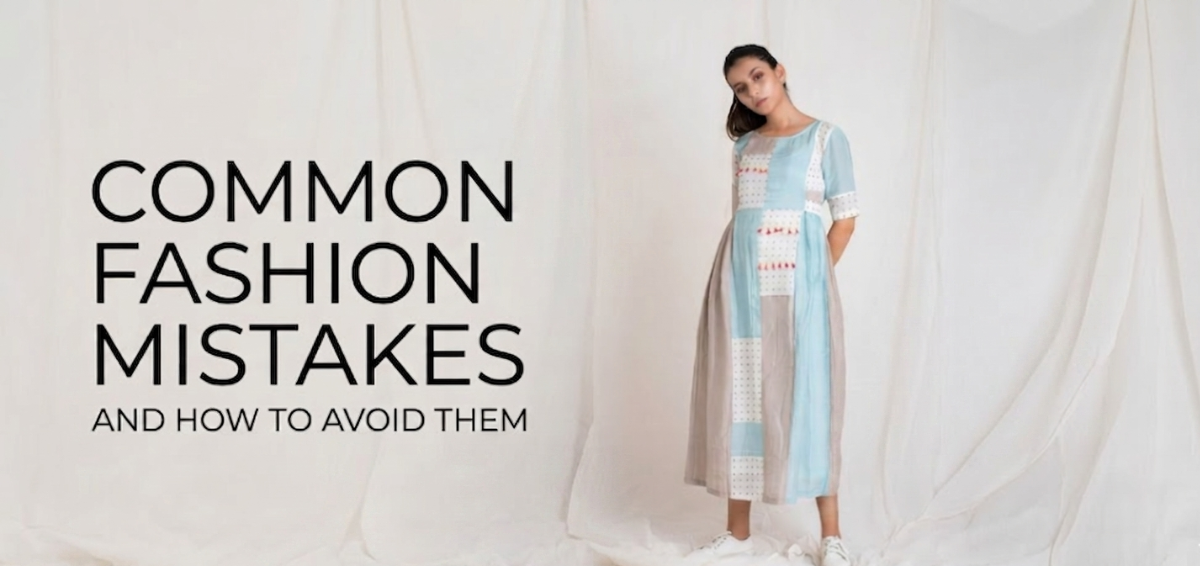
Common Fashion Mistakes and How to Avoid Them
Wearing Clothes That Do Not Fit Properly
One of the most frequent styling errors people make is wearing clothes that do not fit properly. Ill-fitting garments—either too tight or excessively loose—can disrupt the overall look and reduce comfort. Proper fit enhances body proportions and improves posture, making outfits look polished and intentional.
Why Fit Matters in Everyday Dressing
Clothing that is too tight restricts movement and may highlight areas unintentionally, while overly loose outfits can look shapeless. The key lies in selecting silhouettes that skim the body without clinging. For example, well-structured Tunic Sets for women offer a balanced fit that works well for office wear and casual outings, ensuring comfort without compromising on style.
How to Fix Fit Issues Easily
Investing in basic tailoring is one of the simplest ways to improve your wardrobe. Hemming trousers, adjusting sleeves, or shaping the waist can dramatically enhance how an outfit looks. Try garments in different sizes rather than sticking to one size label, as sizing varies across brands.
Ignoring Fabric Choices for Weather Conditions
Choosing the wrong fabric for the climate is a mistake that affects both comfort and appearance. In India’s warm and humid weather, heavy fabrics can lead to discomfort and sweating, while lightweight fabrics improve breathability and ease of movement.
Understanding Climate-Appropriate Fabrics
Cotton and handloom fabrics remain ideal for hot and humid conditions. Lightweight materials allow air circulation and reduce irritation. For example, Women Slip Dresses made from breathable fabrics are excellent choices during summer months, offering comfort and effortless elegance.
Smart Fabric Selection Tips
Always consider the occasion and weather before choosing an outfit. For daily wear, opt for breathable fabrics that maintain comfort throughout the day. During cooler months, layering becomes more effective than wearing heavy fabrics alone.
Overlooking the Importance of Layering
Layering is an effective styling technique that enhances visual interest while offering flexibility for varying temperatures. However, many people either over-layer or avoid layering entirely, leading to imbalance in outfit structure.
Balancing Layers for a Structured Look
The right layering piece can transform a simple outfit into a polished ensemble. A Dress With Jacket Set is an example of balanced layering, offering structure while maintaining comfort. Such combinations help transition outfits from casual to semi-formal settings with minimal effort.
Layering Without Bulk
Choose lightweight layers that complement your outfit rather than overpower it. Neutral-toned jackets, shrugs, or scarves help maintain visual harmony and ensure comfort across different settings.
Choosing Trends Over Personal Style
Fashion trends change rapidly, but not every trend suits every body type or lifestyle. Following trends blindly can lead to cluttered wardrobes filled with items that rarely get worn.
Developing a Signature Style
Instead of chasing trends, focus on building a wardrobe around versatile staples. For instance, Cotton Wrap Dresses provide timeless appeal and adapt easily to different occasions. Classic silhouettes remain relevant regardless of changing fashion cycles.
How to Adopt Trends Wisely
Select trends that align with your comfort level and personal preferences. Incorporate them gradually through accessories or layering pieces rather than making drastic wardrobe changes.
Ignoring Body Proportions When Styling
Understanding body proportions helps create balanced outfits that enhance natural features. Many styling challenges arise when clothing disrupts visual harmony.
Dressing According to Body Structure
If you have a petite frame, shorter hemlines and tailored cuts work well. For taller individuals, flowy silhouettes provide balance. Strategic styling ensures outfits highlight strengths rather than draw attention to imbalances.
Enhancing Proportions with Layers
Layering pieces such as Shrug Tops For Women can create vertical lines that elongate the body, improving overall proportions. Choosing the right length and fit makes layering more effective.
Wearing Too Many Prints Without Coordination
Prints add vibrancy and personality to outfits, but excessive mixing can create visual clutter. Coordinating prints properly ensures that patterns enhance rather than overwhelm your look.
Understanding Print Balance
Choose one dominant print and pair it with subtle or solid elements. For example, a block print dress looks elegant when styled with neutral accessories, allowing the pattern to remain the focal point.
Mixing Prints the Right Way
If combining prints, ensure they share a similar color palette. Keep one print bold and the other understated to maintain balance.
Neglecting Wardrobe Organization
A cluttered wardrobe makes it difficult to identify outfit options and often leads to repetitive dressing. Proper organization improves visibility and saves time during daily styling.
Benefits of an Organized Closet
When clothing is categorized by type, color, or season, it becomes easier to mix and match outfits. Organized wardrobes also help identify gaps and prevent unnecessary purchases.
Simple Organization Techniques
Rotate seasonal clothing and store items neatly using labeled sections. Declutter regularly to maintain efficiency and reduce decision fatigue.
Ignoring the Role of Accessories
Accessories complete an outfit, yet many individuals either avoid them or overuse them. Finding the right balance is key to achieving a refined look.
Choosing Accessories Strategically
Minimal accessories work well for professional settings, while statement pieces suit festive occasions. Selecting complementary jewelry, bags, or scarves enhances visual appeal without overpowering the outfit.
Avoiding Over-Accessorizing
Stick to one or two standout accessories rather than layering multiple bold pieces. Simplicity often creates the most elegant results.
Ignoring Footwear Compatibility
Footwear plays a crucial role in completing an outfit. Wearing mismatched footwear can disrupt the harmony of your overall look.
Matching Shoes to Outfit Type
Casual outfits pair well with flats or sandals, while formal wear requires structured footwear. Comfort should remain a priority, especially for long hours of wear.
Investing in Versatile Footwear
Neutral-toned footwear provides flexibility and works across multiple outfits. Investing in quality pairs ensures durability and consistent style.
Failing to Plan Outfits in Advance
Last-minute outfit decisions often result in mismatched combinations. Planning outfits ahead of time improves confidence and saves valuable time.
Benefits of Outfit Planning
Preparing outfits the night before ensures stress-free mornings. It also allows you to experiment with combinations and discover new styling possibilities.
Creating Weekly Outfit Plans
Choose outfits based on scheduled activities and weather forecasts. This approach helps maintain variety while reducing daily decision fatigue.
Choosing Style Over Comfort
Comfort should never be sacrificed for style. Clothing that restricts movement or causes discomfort affects posture and confidence.
Why Comfort Matters
Comfortable clothing improves productivity and allows you to focus on daily tasks without distraction. Breathable fabrics and flexible silhouettes support long-term wear.
Balancing Comfort and Elegance
Choose fabrics that feel soft against the skin and designs that allow movement. Structured yet breathable garments provide the perfect combination of style and practicality.
Ignoring Maintenance and Fabric Care
Proper garment care extends the lifespan of clothing and maintains visual appeal. Neglecting washing instructions often leads to faded colors and damaged fabrics.
Understanding Fabric Care Labels
Always read care instructions before washing. Different fabrics require different methods to maintain quality and appearance.
Maintaining Fabric Longevity
Store garments in cool, dry environments and use gentle detergents. Proper storage prevents damage caused by moisture and pests.
Final Thoughts: Build Confidence by Avoiding Styling Errors
Avoiding common styling errors is not about following rigid fashion rules—it is about understanding what works best for your body, lifestyle, and environment. By focusing on fit, fabric selection, layering techniques, and thoughtful coordination, you can create a wardrobe that supports both comfort and confidence. Fashion should feel effortless and empowering. When you recognize and correct these styling missteps, you create a wardrobe that reflects personal identity while remaining practical for everyday life. Over time, learning to avoid Common Fashion Mistakes leads to smarter purchases, improved styling skills, and a more refined personal aesthetic.
Frequently Asked Questions (FAQs)
1. What are the most common styling mistakes people make?
Some of the most frequent mistakes include wearing ill-fitting clothes, ignoring weather-appropriate fabrics, over-accessorizing, and following trends without considering personal style.
2. How can I improve my wardrobe without buying new clothes?
Start by organizing your closet, identifying versatile pieces, and experimenting with layering combinations. Tailoring existing garments can also significantly improve their appearance.
3. Why is fabric choice important in everyday fashion?
Fabric affects comfort, durability, and overall appearance. Choosing breathable materials suitable for the climate ensures better comfort throughout the day.
4. How do I know which outfit suits my body type?
Understanding body proportions helps identify silhouettes that enhance natural features. Trying different cuts and consulting tailoring experts can help refine choices.
5. How often should I update my wardrobe?
Instead of frequent updates, focus on seasonal reviews. Replace worn-out items and add versatile pieces that complement existing outfits.
-
 August 26th, 2026
 -
Natural vs Synthetic Fabrics: What Should You Know Before Buying?
August 24th, 2026 -
 August 24th, 2026
 -
 August 13th, 2026