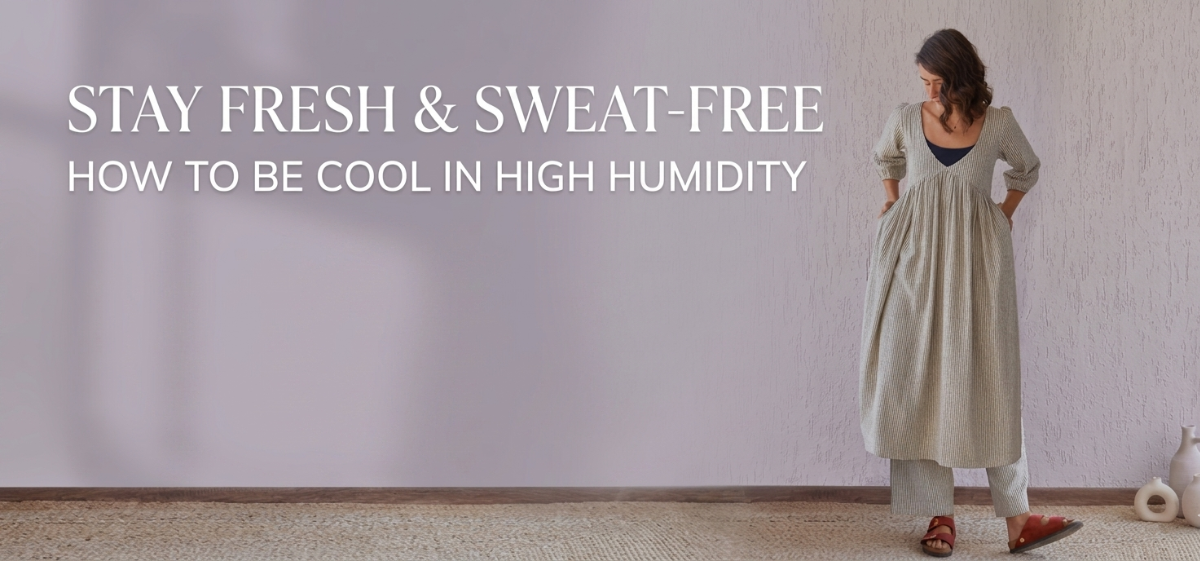
How to Be Cool in High Humidity
Living in India, especially during the monsoon or the peak of a tropical summer, presents a unique sartorial challenge. Humidity isn’t just about the heat; it’s about the moisture in the air that prevents sweat from evaporating, leaving you feeling sticky, exhausted, and often poorly dressed. For the modern Indian woman, balancing professional responsibilities, social gatherings, and household tasks while maintaining a crisp, elegant appearance requires more than just a fan—it requires a strategic approach to textiles, silhouettes, and personal care.
At The Yellow Bow, we believe that fashion should never come at the cost of comfort. Rooted in the craft traditions of Jaipur, we understand the science of breathable fabrics. In this comprehensive guide, we explore the nuances of tropical dressing and lifestyle adjustments to help you Stay Fresh and Sweat-Free in High Humidity.
1. The Science of Fabric: Why Material Choice is Your First Defense
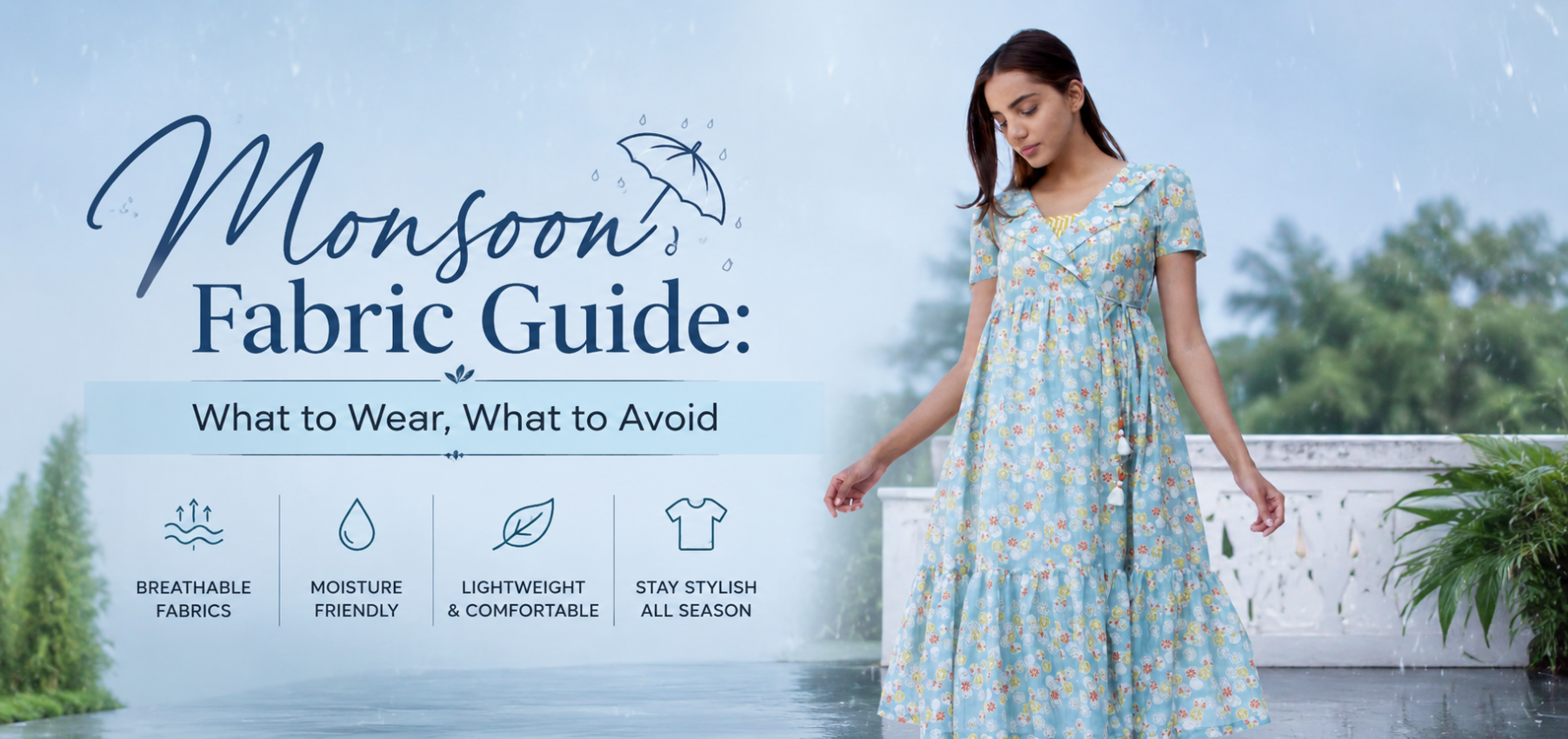
The foundation of staying cool begins with the fiber. In high-humidity zones like Mumbai, Kolkata, or Chennai, synthetic fabrics like polyester and nylon act as a plastic wrap, trapping heat and moisture against your skin. This leads to body odor and skin irritation.
The Power of Natural Fibers
Cotton is the undisputed queen of tropical climates. It is hydrophilic, meaning it absorbs moisture away from your skin and allows air to circulate. When looking for the ultimate comfort, Tunic Sets crafted from high-grade Jaipur cotton provide a structural elegance that doesn't cling to the body. Similarly, handloom fabrics and Chanderi offer a lightweight alternative that feels like a second skin.
Understanding Weaves
It’s not just the fiber, but the weave. A tight weave prevents airflow. This is why hand-block printed fabrics are so popular; the artisanal process often involves slightly looser, more breathable weaves compared to mass-produced industrial textiles. This airflow is essential to Stay Fresh and Sweat-Free in High Humidity.
2. Curating the Humidity-Proof Wardrobe
Dressing for 90% humidity requires a shift from "fitted" to "fluid." Tight clothing creates friction, which increases body temperature and sweat production.
The Rise of the Co-Ord Set
One of the most effective ways to stay stylish yet ventilated is through Women Cotton Co Ord Sets. These sets provide a streamlined, monochromatic look that is professional enough for the office but loose enough to allow the skin to breathe. By choosing sets with wide-leg trousers or culottes, you ensure maximum air circulation around the lower body.
Layering Without the Heat
Many women avoid layering in the summer, but the right layer can actually protect your skin from direct sun heat. A lightweight shrug tops for women can be a lifesaver in air-conditioned offices that transition into humid outdoor parking lots. If you are attending a festive event, a golden shrug for women made from breathable Chanderi or silk-cotton blends adds glamour without the weight of heavy embroidery.
3. Strategizing Your Daily Silhouette
In high humidity, the "air gap" between the fabric and your skin is your best friend. This is why traditional Indian silhouettes like the kurta and the saree have endured for centuries.
A-Line and Flared Cuts
Instead of bodycon styles, opt for A-line dresses or flared tunics. These shapes create a chimney effect, where warm air rises and escapes through the top, drawing cooler air in from the bottom. Using stylish shrugs for women over a simple sleeveless inner can also provide a modest, professional look while keeping the underarms ventilated—a key area for sweat management.
4. Skincare and Hygiene Rituals for the Tropics
Staying fresh isn't just about what you wear; it's about how you prep your body. Humidity opens your pores, making you more susceptible to breakouts and "clogged" feelings.
- Cold Showers: Start your day with a lukewarm to cold shower to lower your core body temperature.
- Anti-Fungal Powders: Use a high-quality, unscented dusting powder in friction-prone areas like the underarms and inner thighs.
- Lightweight Moisturizers: Switch from heavy creams to water-based or gel-based moisturizers that won't feel greasy when you start to perspire.
5. The Role of Footwear and Accessories
Did you know that heat is often regulated through your extremities? If your feet are encased in tight leather shoes or synthetic sneakers, your whole body will feel hotter.
Opt for open-toed sandals or juttis made from natural leather or fabric. For accessories, swap heavy metal jewelry for fabric-based or lightweight wooden pieces. Metal can heat up in the sun and cause skin irritation in humid conditions.
6. Nutritional Adjustments to Reduce Sweat
What you consume dictates how hard your body has to work to cool itself down. Diet plays a massive role in internal thermoregulation.
- Hydration: Drink water infused with cucumber or mint. These have natural cooling properties.
- Avoid Heavy Proteins: Digesting large amounts of protein creates "specific dynamic action" (SDA), which raises internal body heat.
- Limit Caffeine: Caffeine is a stimulant that activates the sweat glands. Opt for herbal teas or coconut water instead.
7. Navigating Professional Environments in India
Maintaining EEAT (Experience, Expertise, Authoritativeness, and Trustworthiness) in your professional life requires looking "put-together." It is hard to project authority when you have sweat patches. This is where Women Cotton Co Ord Sets become a powerful tool in your wardrobe. They offer the structure of a suit with the comfort of loungewear.
8. Why Jaipur Craftsmanship is Perfect for Humidity
Jaipur's textile heritage is built on the necessity of surviving extreme Rajasthan heat. The use of "Malmal" (fine muslin) and hand-block printing isn't just aesthetic—it’s functional. The dyes used in traditional block printing are often mineral or vegetable-based, which are gentler on "sweaty" skin compared to harsh chemical dyes that can cause "monsoon dermatitis."
Conclusion
Managing high humidity is an art form that combines the wisdom of traditional textiles with modern styling. By choosing breathable fabrics, opting for loose silhouettes like Tunic Sets, and maintaining a cooling lifestyle, you can navigate the most sweltering days with grace. Remember, the goal is not to stop sweating entirely—as that is the body's natural cooling mechanism—but to manage it so that you remain comfortable and confident.
Frequently Asked Questions (FAQs)
1. Which fabric is best for very high humidity?
100% Cotton, Linen, and Chanderi are the best fabrics. They allow for maximum breathability and moisture absorption. Avoid silk blends or polyesters during high-humidity months.
2. How can I hide sweat marks on my clothes?
Opt for busy prints, like hand-block prints, which camouflage moisture much better than solid colors. Additionally, wearing loose-fitting Women Cotton Co Ord Sets prevents the fabric from touching the skin directly, reducing visible marks.
3. Are shrugs suitable for summer?
Yes, if they are made from lightweight cotton or sheer fabrics. Stylish shrugs for women can protect your skin from UV rays and provide a professional layer in AC environments without causing overheating.
4. How do I keep my skin from feeling sticky?
Use a salicylic acid-based cleanser to keep pores clear and apply a mattifying sunscreen. Carrying a cooling face mist or wet wipes can also help reset your skin during the day.
5. Why should I choose hand-block prints over digital prints?
Hand-block prints are usually done on natural, breathable base fabrics. Digital prints are often applied to synthetic blends to make the colors pop, but these fabrics trap heat, making them less ideal for humid weather.
-
 August 26th, 2026
 -
Natural vs Synthetic Fabrics: What Should You Know Before Buying?
August 24th, 2026 -
 August 24th, 2026
 -
 August 13th, 2026