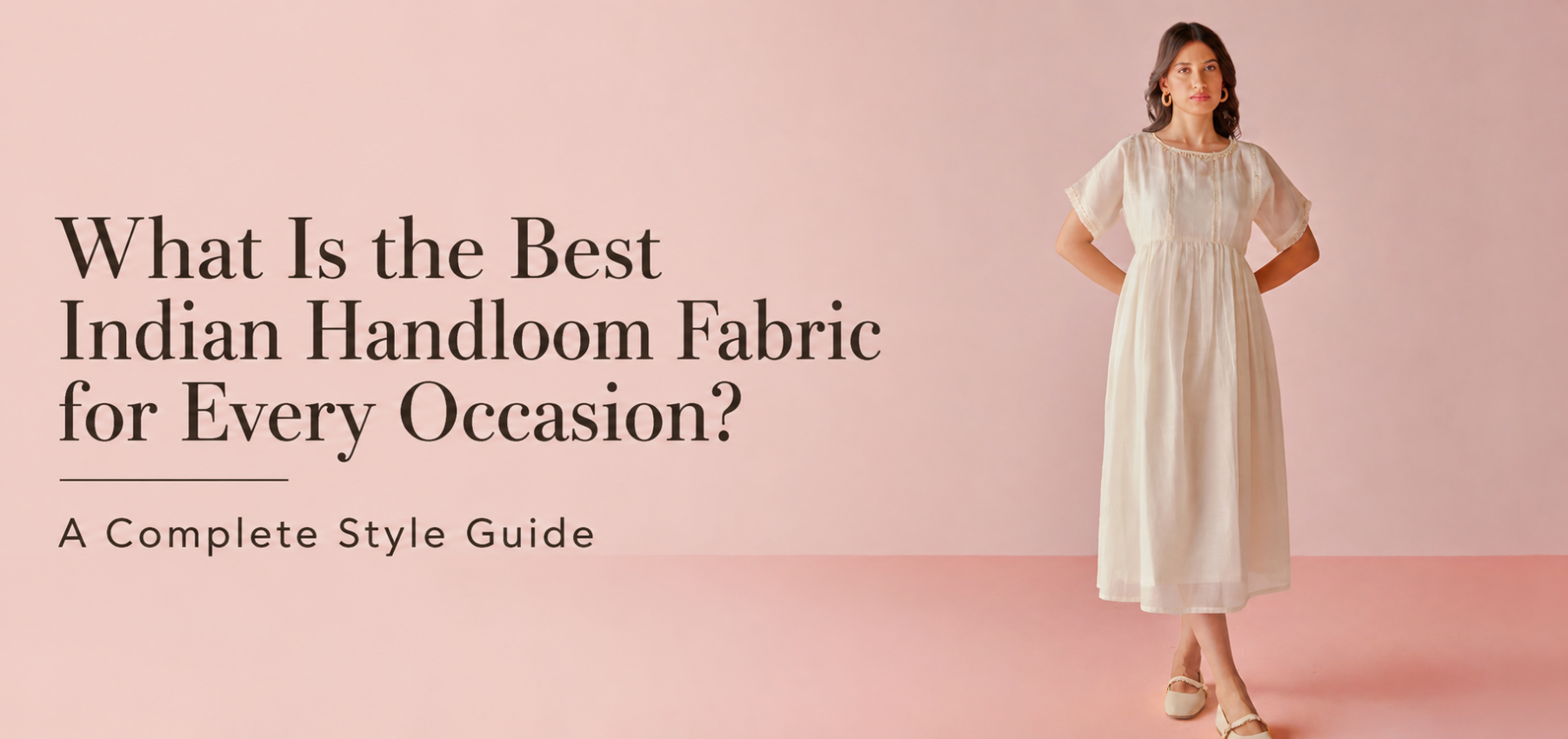
What Is the Best Indian Handloom Fabric for Every Occasion? A Complete Style Guide
India's handloom tradition is one of the oldest and most diverse in the world. From the gossamer weaves of Chanderi to the earthy textures of Khadi, every region carries its own textile story — shaped by climate, community, and craft. Yet for most women today, choosing the right handloom fabric for an occasion can feel overwhelming. This complete handloom fabric guide simplifies that choice, helping you match the right weave to the right moment, season, and personal style.
Why Indian Handloom Fabrics Are More Than Just Cloth
Before we explore individual fabrics, it is worth understanding why handloom textiles hold a different place in Indian fashion compared to mill-made or synthetic alternatives. Each handloom piece is produced on a manually operated loom, where tension, texture, and pattern are controlled entirely by a weaver's hands. This means no two pieces are identical. The slight irregularities in thread, the subtle variation in weave — these are not defects. They are marks of authenticity.
Handloom fabrics also breathe better, age more gracefully, and carry cultural significance that machine-made fabric simply cannot replicate. For women who care about wearing something that means something — that connects craft, comfort, and culture — Indian handloom is a natural home.
"Handloom fabric does not just dress you. It tells a story of the hands that made it, the region that grew it, and the tradition that preserved it."
The Most Beloved Indian Handloom Fabrics and What Sets Them Apart
India's handloom map is extensive. Here are the most prominent weaves, their regional identity, and what occasions they suit best.
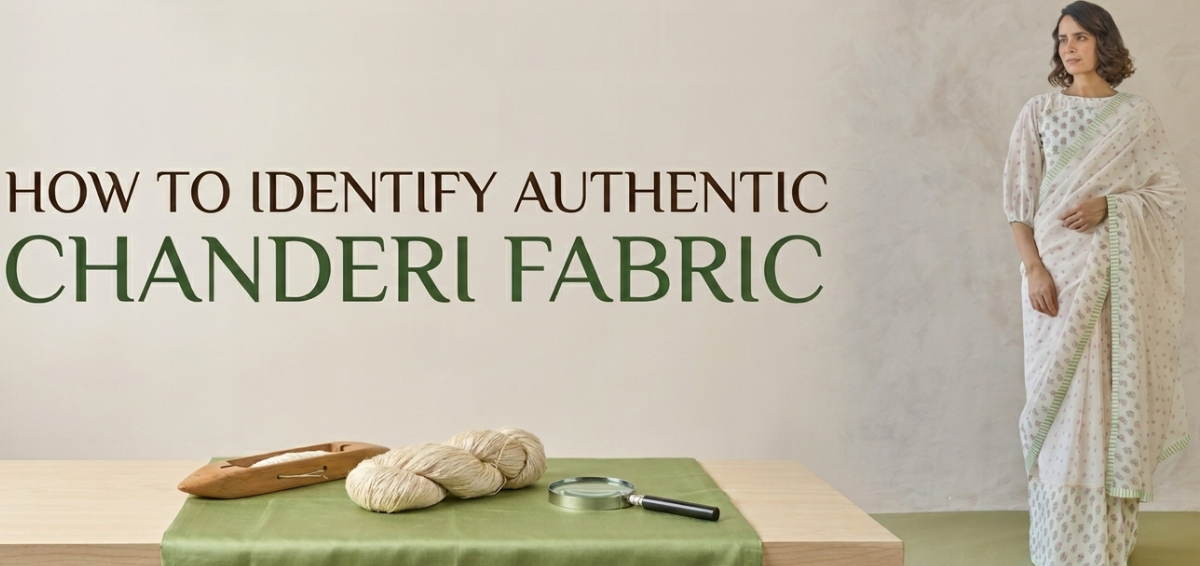
Chanderi — The Fabric of Quiet Luxury
Woven in the small town of Chanderi in Madhya Pradesh, this fabric is defined by its translucent body, subtle sheen, and feather-light drape. Traditionally produced from a blend of silk and cotton, Chanderi has a luminous quality that catches light elegantly — making it appear far richer than its weight suggests.
Chanderi suits festive dressing beautifully, but its lightness also makes it comfortable through long celebration days. A printed chanderi saree strikes the ideal balance between tradition and ease. Beyond sarees, Chanderi fabric translates exceptionally into structured tops and kurtas — the sheen reads as formal, but the weight remains thoroughly wearable. If you love that elevated look without the heaviness of heavier silks, Chanderi tops are worth exploring.
Best for: Festive gatherings, family functions, cultural events, semi-formal occasions.
Khadi — The Everyday Workhorse of Indian Textiles
Khadi is perhaps the most democratic of Indian fabrics. Spun and woven entirely by hand using a charkha, Khadi carries a historical weight as deep as the independence movement — and a practical versatility that has earned it lasting relevance in contemporary Indian wardrobes.
Khadi cotton is particularly valued for its ability to keep the body cool in summer and relatively warm in winter. Unlike polished fabrics, Khadi has a natural, slightly textured surface — unpretentious, honest, and deeply wearable. It works equally well as casual daywear, work clothing, and relaxed travel outfits. Women who prefer a minimal, earthy aesthetic often gravitate toward Khadi without realising it.
Best for: Everyday wear, office outfits, casual travel, conscious fashion choices.
Mul Cotton — The Summer Essential
Mul cotton (also called mull or malmal) is among the softest forms of cotton cloth produced in India. It has an open, loose weave that makes it extraordinarily breathable — essentially ideal for Indian summers where temperature and humidity can be extreme.
Mul cotton drapes softly without clinging to the body. This makes it an excellent choice for loose dresses, relaxed kurtis, and comfortable women's printed tops designed for warm-weather wear. The fabric accepts hand block printing beautifully, which is why it frequently appears in collections that blend traditional craft with casual, contemporary silhouettes.
Best for: Summer dressing, daily wear, beach or travel outfits, relaxed casual looks.
Maheshwari — Structured Elegance from the Banks of the Narmada
Originating in Maheshwar on the banks of the Narmada river, Maheshwari fabric is a cotton-silk blend characterised by a slightly heavier drape, a reversible border, and distinctive check or stripe weave patterns. It offers more body than Chanderi while retaining enough elegance for festive wear.
Maheshwari sarees are a popular choice for women who want something that feels traditionally rooted without being overly ornate. The fabric also works well as fabric for dupattas and coordinated sets. In contemporary fashion, Maheshwari is increasingly being used in co-ord sets and layered outfits — a versatile fabric that bridges casual and ethnic dressing with ease.
Best for: Day functions, office festive wear, cultural events, semi-formal ethnic dressing.
Tussar Silk — Raw, Textured, and Deeply Indian
Tussar silk, also called Kosa silk, is a wild silk produced from silkworms found in the forests of Jharkhand, West Bengal, and Odisha. Unlike the polished shine of cultivated Mulberry silk, Tussar has a natural, matte texture with an earthy warmth that looks genuinely distinct and quietly luxurious.
Tussar is a fabric that photographs beautifully and ages even better — becoming softer and richer over time with proper care. It is well suited to sarees, blouses, and occasion wear. For women who find regular silk too cold or too polished, Tussar offers a warmer, more organic alternative that remains unmistakably refined.
Best for: Formal occasions, weddings, evening functions, saree wearing.
Handloom Linen — The Modern Indian Classic
India is among the world's leading producers of linen fabric, with handwoven linen produced primarily in West Bengal. Handloom linen has a natural slub texture that gives garments a relaxed, contemporary look without sacrificing sophistication. It is breathable, hypoallergenic, and becomes increasingly comfortable with each wash.
Handloom linen has found strong favour among urban Indian women who want to dress well with minimal effort. Linen pants, shirts, and coordinated sets in linen offer a polished, put-together look that is equally suited for professional environments and weekend outings. Paired with block prints, linen elevates effortlessly into something that feels both artisanal and modern.
For women exploring coordinated dressing in natural fabrics, women cotton co-ord sets in linen and cotton blends offer a particularly versatile everyday option.
Best for: Office wear, casual-formal dressing, travel, summer evenings.
Which Handloom Fabric Should You Wear — Quick Reference by Occasion
Not sure where to begin? This table maps the most common occasions Indian women dress for to the handloom fabric best suited for each.
Occasion | Recommended Fabric | Why It Works |
Daily / Office Wear | Khadi Cotton, Handloom Linen, Mul Cotton | Breathable, easy to maintain, professional yet comfortable |
Festive & Family Functions | Chanderi, Maheshwari, Banarasi Silk | Lustrous finish, traditional appeal, lightweight enough for long wear |
Weddings & Formal Events | Chanderi Silk, Tussar Silk, Banarasi | Rich texture, elegant drape, occasion-worthy presence |
Summer Travel | Mul Cotton, Khadi, Dobby Cotton | Maximum breathability, easy packing, skin-friendly |
Cultural Events / Exhibitions | Any regional handloom (Ikat, Jamdani, Tant) | Celebrate craft; each fabric carries its own regional identity |
Casual Weekend Outings | Handloom Linen, Khadi, Cotton Dobby | Relaxed texture, easy drape, minimal styling needed |
Saree Occasions | Chanderi, Maheshwari, Tussar, Tant | Varied draping weights; options for both lightweight and structured preferences |
How Handloom Fabrics Work With Block Printing
One of the most distinctive features of craft-led Indian fashion is the marriage of handloom weaves with hand block printing. These two traditions complement each other naturally — hand block printing works best on absorbent, natural fabrics, and handloom textiles are precisely that.
Mul cotton, Khadi, and plain weave cotton accept block printing with exceptional clarity. The slightly irregular surface of handloom fabric means that prints take on a lived-in, artisanal character that looks richer than screen-printed alternatives. This is why a hand block printed dress in handloom cotton often feels visually different from standard printed cotton — there is a depth to both the weave and the print that makes each piece genuinely one-of-a-kind.
Chanderi also takes printing beautifully, adding a soft translucency to floral or geometric motifs. A printed Chanderi saree achieves an effect that is simultaneously light, layered, and visually rich — ideal for women who want sarees that feel contemporary while remaining rooted in traditional craft.
Seasonal Dressing With Indian Handlooms — What to Wear When
Summers (March – June)
Indian summers demand fabrics that breathe freely and stay kind to the skin through the day. Mul cotton and plain Khadi are the best choices here. They wick moisture, allow air circulation, and remain comfortable even in 40°C heat. Loose silhouettes in these fabrics — flowy dresses, casual kurtis, relaxed co-ord sets — are the most practical and stylish options for the season.
Monsoon (July – September)
Monsoon calls for fabrics that dry quickly and feel comfortable in humidity. Lightweight cotton and cotton-linen blends work best. Avoid heavier silks and Chanderi during peak monsoon, as they may be slower to dry and more prone to damage. Simple cotton handloom pieces in darker or earthy prints are ideal — they handle the weather and still look intentional.
Festive Season & Winter (October – February)
This is when Chanderi, Maheshwari, and Tussar truly shine. The cooler months align with India's festive calendar — Navratri, Diwali, weddings — and these fabrics carry exactly the right visual weight for the season. Layering becomes possible, which opens up styling opportunities with shrugs, jackets, and dupattas across handloom fabrics in rich earth tones and jewel shades.
How to Care for Handloom Garments at Home
Handloom fabrics are more durable than they appear, but they do require thoughtful care. A few basic practices will keep your handloom pieces looking beautiful for years.
Wash cotton handlooms by hand in cold water with a mild detergent. Machine washing on a gentle cycle is acceptable, but hand washing extends the life of the weave.
Avoid soaking and wringing. Squeeze gently and lay flat or hang to dry in shade. Direct sunlight can fade natural dyes over time.
Dry clean Chanderi and Tussar silk whenever possible. For handwashing silk-blend handlooms, use cold water and no more than a minute of gentle swishing.
Iron cotton handlooms while slightly damp on a low-to-medium setting. Chanderi and silk-blend fabrics should be ironed on the reverse side with a cloth in between.
Store in breathable cotton bags rather than plastic. Handloom fabrics need air circulation during storage to remain fresh and resist mildew in humid Indian conditions.
Avoid harsh detergents, bleach, and fabric softeners which can break down natural fibres and strip natural dyes over time.
Building a Wardrobe Around Indian Handloom — A Practical Starting Point
You do not need to overhaul your wardrobe to embrace handloom dressing. A thoughtful, gradual approach works better and longer. Here is how most craft-conscious women begin:
Start with one or two versatile Khadi or Mul cotton pieces — a dress, a kurti, or a relaxed top — that can anchor your daily wardrobe. These are low-maintenance and visually flexible enough to pair with everything from jeans to palazzos.
Add a Chanderi piece for the festive season — either a saree, a top, or a coordinated set. Chanderi's formal appeal makes it a reliable choice for most Indian occasions without requiring heavy jewellery or elaborate styling.
Layer intentionally. Handloom fabrics work beautifully in layers — a Khadi inner paired with a Chanderi or Maheshwari jacket creates an effortless, put-together look that feels curated rather than complicated.
Finally, invest in craft-led brands that work directly with weavers. Handloom fashion works best when the supply chain is short — when the person who designs the garment understands the fabric and the woman who made it. That connection shows up in the finish, fit, and intention of the piece.
For women building such a wardrobe, exploring categories like tunic sets for women in handloom cotton or a well-designed hand block printed dress are natural and accessible starting points.
"The best handloom wardrobe is not large — it is intentional. A handful of pieces in fabrics that wear well, breathe well, and mean something will always outlast a closet full of fast fashion."
The Bigger Picture — Why This Handloom Fabric Guide Matters
India is home to approximately 35 lakh handloom weavers, making it the second largest employer in the country after agriculture. Every handloom garment purchased is a direct investment in this ecosystem — in the skills of a weaver, the livelihood of a family, and the preservation of a textile tradition that has survived for centuries.
Choosing handloom is not about nostalgia or niche fashion. It is about wearing something that is genuinely better — better for your skin, better for the environment, and better for the communities that produce it. This handloom fabric guide is an invitation to look at your wardrobe differently: not as a collection of garments, but as a set of choices about craft, culture, and the kind of fashion you want to support.
When you wear Chanderi to a function, Khadi to work, or Mul cotton on a summer afternoon, you are participating in something that matters. And that, quietly, is what makes handloom dressing so worth understanding well.
Frequently Asked Questions About Indian Handloom Fabrics
Which Indian handloom fabric is best for summer?
Mul cotton, Khadi, and Chanderi are the top choices for Indian summers. They are lightweight, breathable, and naturally regulate body temperature. Mul cotton is especially loved for its feather-soft texture, while Chanderi offers a slightly dressy look even in the heat.
What is the difference between Chanderi and Maheshwari fabric?
Both originate from Madhya Pradesh, but they are distinct weaves. Chanderi has a translucent, glossy finish made from silk-cotton blends and is prized for its light drape. Maheshwari is a cotton-silk blend with a reversible border and a more structured drape, often featuring check or stripe patterns. Chanderi is lighter; Maheshwari is slightly more structured.
Is handloom fabric good for daily wear?
Yes, absolutely. Fabrics like Khadi cotton, Mul cotton, and plain handloom cotton are ideal for everyday use. They are skin-friendly, wash well, become softer over time, and are far more breathable than synthetic alternatives — making them an excellent daily-wear choice for Indian climates.
Which handloom fabric is ideal for festive and wedding occasions?
Chanderi, Banarasi, and Tussar silk handloom fabrics are traditional favourites for festive and wedding dressing. Among lighter options, Chanderi sarees and Chanderi tops offer a regal look without the heaviness of full silk, making them versatile for long celebration days.
How do I care for handloom clothes at home?
Most handloom cotton garments can be gently hand washed in cold water with a mild detergent. Avoid wringing or soaking. For Chanderi or silk-blend handlooms, dry cleaning is recommended, or a very gentle cold water hand wash. Always dry in shade to preserve colour and fabric integrity. Iron on a low setting while slightly damp for best results.
-
 August 26th, 2026
 -
Natural vs Synthetic Fabrics: What Should You Know Before Buying?
August 24th, 2026 -
 August 24th, 2026
 -
 August 13th, 2026